
Highlights
- Traumatic brain injury is a modifiable risk factor for dementia.
- Falls are the leading cause of brain injuries.
- Fall prevention, helmets, and seatbelts protect your brain.
- Never return to sports after a suspected concussion until cleared.
We often think about protecting our brains through healthy eating, exercise, and mental challenges. But one of the most straightforward ways to keep your brain healthy is also one of the most overlooked: preventing injuries to your head.
Traumatic brain injuries, from mild concussions to severe trauma, can affect memory, thinking, mood, and behavior. They're also linked with a higher risk of dementia later in life. The encouraging news is that many head injuries are preventable with simple, everyday precautions. This article explains how brain injuries happen, why they matter, and practical steps to protect your brain at every age.
What Is a Traumatic Brain Injury?
A traumatic brain injury (TBI) happens when a bump, blow, jolt, or penetrating injury to the head disrupts normal brain function. Injuries range from:
- Mild TBI (concussion): the most common type; symptoms may be brief, but can sometimes last weeks or longer
- Moderate TBI: longer loss of consciousness or confusion, often with lasting effects
- Severe TBI: serious injury that can cause long-term disability
You don't have to hit your head directly to injure your brain. A sudden jolt, like whiplash in a car accident, can cause the brain to move inside the skull and lead to injury.
Why Brain Injuries Matter for Long-Term Health
Beyond their immediate effects, brain injuries can have long-term consequences. The 2024 Lancet Commission on dementia prevention listed traumatic brain injury as one of 14 modifiable risk factors for dementia. Studies have found that people who have had a TBI have a higher risk of developing dementia later, and the risk rises with the number and severity of injuries.
Repeated head impacts, such as those experienced in some contact sports, have been linked with a condition called chronic traumatic encephalopathy (CTE), which can cause memory problems, mood changes, and behavioral changes.
Common Causes of Brain Injury
- Falls: the leading cause of TBI, especially in older adults and young children
- Motor vehicle accidents
- Being struck by or against objects
- Sports and recreational injuries
- Assaults
- Cycling and scooter accidents
Signs of a Concussion
After a head injury, watch for:
- Headache or pressure in the head
- Confusion or feeling foggy
- Dizziness or balance problems
- Nausea or vomiting
- Sensitivity to light or noise
- Memory problems, especially about the event
- Difficulty concentrating
- Mood changes, irritability, or sleep changes
Seek emergency care immediately for loss of consciousness, a worsening headache, repeated vomiting, seizures, slurred speech, weakness, unequal pupils, or increasing confusion. Older adults and people taking blood thinners should get checked after any significant head bump, as bleeding can develop slowly.
How to Protect Your Brain
1. Prevent Falls
Falls are the number one cause of brain injuries, particularly for older adults. To reduce your risk:
- Remove tripping hazards like loose rugs and clutter
- Install grab bars in bathrooms and handrails on stairs
- Use good lighting, including night lights
- Wear supportive, non-slip shoes
- Have your vision checked regularly
- Ask your doctor or pharmacist whether any medications cause dizziness
- Do strength and balance exercises, such as tai chi, which has been shown to reduce falls
- Get up slowly from sitting or lying down
2. Wear a Helmet
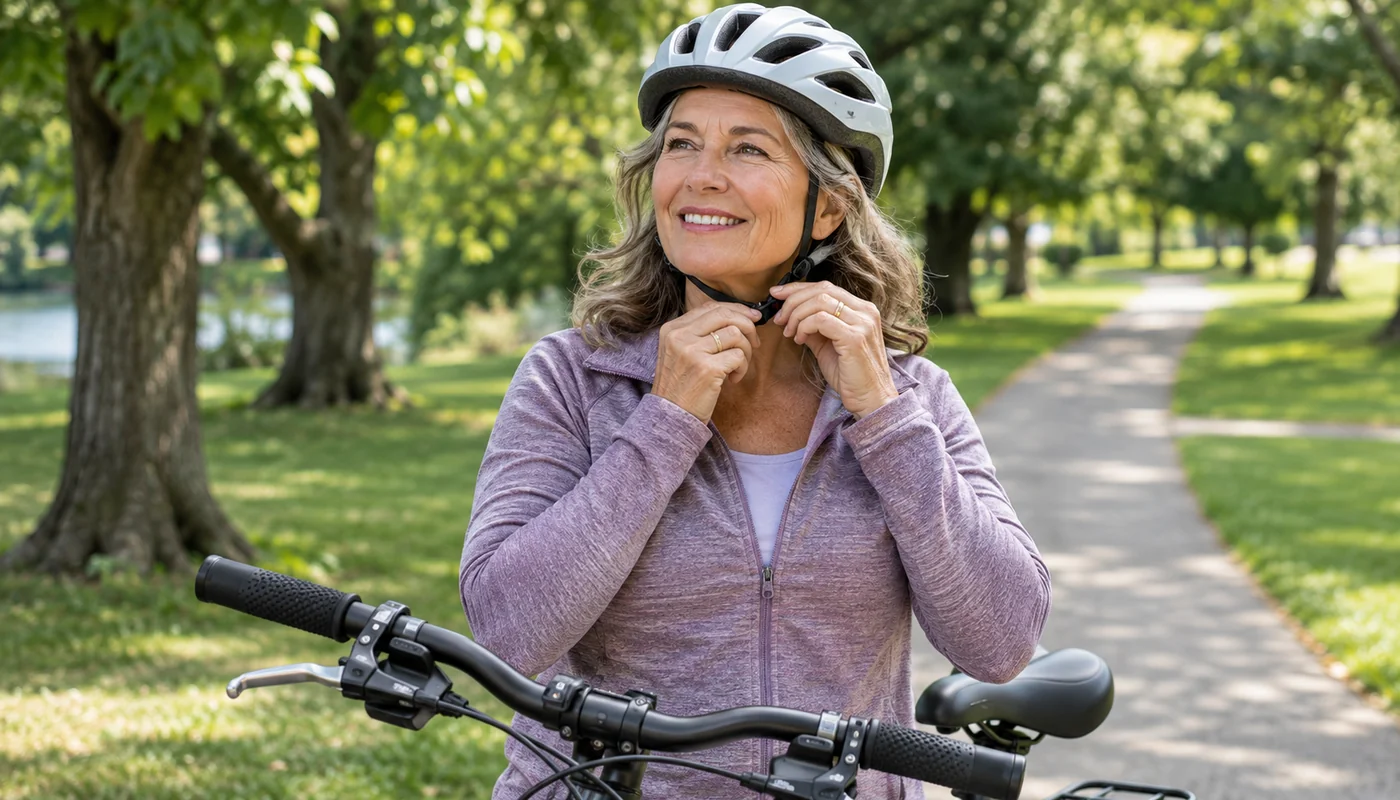
Helmets significantly reduce the risk of serious head injury. Research reviews have found that bicycle helmets reduce the risk of serious head injury by roughly 60 percent. Wear a properly fitted helmet when:
- Cycling
- Riding a scooter, e-scooter, or motorcycle
- Skiing or snowboarding
- Skating or skateboarding
- Horseback riding
- Playing contact sports where helmets are recommended
Replace helmets after any significant impact and according to the manufacturer's guidelines.
3. Buckle Up
Always wear a seatbelt, and make sure children use appropriate car seats or booster seats. Seatbelts dramatically reduce the risk of serious injury in crashes.
4. Drive Safely
- Never drive after drinking alcohol or using drugs
- Avoid distractions such as phones
- Don't drive when drowsy
- Follow speed limits
5. Play Sports Safely
- Use proper protective equipment
- Learn and use safe techniques
- Follow rules designed to protect players
- Never return to play after a suspected concussion until cleared by a medical professional
A second concussion before the brain has healed from the first can be especially harmful.
6. Make Your Home Safer for Children
Use safety gates on stairs, window guards, and secure furniture to walls to prevent tip-overs. Choose playgrounds with soft surfaces.
7. Limit Alcohol
Alcohol increases the risk of falls, accidents, and head injuries. Keeping alcohol low protects your brain in more ways than one.
8. Be Careful on Ladders and Stairs
Use ladders correctly, have someone hold them, and avoid climbing when alone. Keep stairs clear and well lit.
Recovering From a Concussion
Most people recover from a mild concussion within days to weeks. Helpful steps include:
- Rest for a day or two, then gradually return to normal activities
- Get plenty of sleep
- Limit screen time and demanding mental tasks at first
- Avoid alcohol
- Avoid activities that risk another head injury until fully recovered
- Follow medical advice about returning to work, school, driving, and sports
Current guidance suggests that light physical activity, such as walking, after the first day or two may help recovery. If symptoms last more than a few weeks, see a doctor.
Supporting Brain Health After Injury
After recovery, brain-healthy habits can support long-term well-being: regular exercise, good sleep, a nutritious diet, social connection, stress management, and mentally engaging activities such as reading, learning, and brain games. If thinking or memory problems persist, rehabilitation specialists can help.
Special Advice for Older Adults
As we age, the brain shrinks slightly and blood vessels become more fragile, so even a minor bump can sometimes cause bleeding. Many older adults also take blood-thinning medications, which raise this risk. For these reasons, it's wise to take any fall or head knock seriously, even if you feel fine at first. Tell someone what happened and watch for symptoms like headache, drowsiness, or confusion over the next few days.
Staying physically active is one of the best defenses. Strong legs, good balance, and confident movement make falls less likely. Classes in tai chi, yoga, or strength and balance training are widely available and suitable for most ages and fitness levels. A home safety check, often offered by occupational therapists or community programs, can also identify hidden hazards.
Frequently Asked Questions
Can one concussion cause long-term damage?
Most people recover fully from a single mild concussion. However, some people have lingering symptoms, and repeated injuries carry greater risk.
Do head injuries increase dementia risk?
Yes. Traumatic brain injury is recognized as a risk factor for dementia, especially when injuries are moderate, severe, or repeated.
What is the most common cause of brain injury?
Falls, especially among older adults and young children.
Do helmets really protect the brain?
Yes. Helmets substantially reduce the risk of serious head injury.
Key Takeaways
- Traumatic brain injury is a modifiable risk factor for dementia.
- Falls are the leading cause of brain injuries.
- Fall prevention, helmets, and seatbelts protect your brain.
- Never return to sports after a suspected concussion until cleared.
- Most concussions heal well with rest and gradual return to activity.
Protecting your brain from injury doesn't require big changes, just a few smart habits. Buckle up, wear your helmet, and make your home safer, and you'll be taking a simple but powerful step for lifelong brain health.
This article provides general educational information and is not medical advice. A qualified healthcare professional can help you evaluate choices in relation to your health history, medications, and individual needs.