
Highlights
- Meditation is training attention, not emptying the mind.
- Start with a few minutes of focusing on your breath.
- When your mind wanders, gently return; that's the practice.
- Consistency and kindness toward yourself matter more than duration.
Meditation has moved from monasteries to boardrooms, classrooms, and living rooms around the world. People meditate to reduce stress, sharpen focus, sleep better, and feel more at peace. But if you've never tried it, getting started can feel confusing. Do you need to sit cross-legged? Empty your mind? Chant?
The truth is that meditation is simple, and anyone can do it. This beginner's guide will walk you through everything you need to know to start meditating today, with no special equipment, beliefs, or experience required.
What Is Meditation?
Meditation is the practice of training your attention and awareness. Most forms involve focusing your mind on something, such as your breath, a word, or bodily sensations, and gently bringing your attention back whenever it wanders.
Here's an important point: meditation is not about emptying your mind or stopping all thoughts. Thoughts will come, and that's completely normal. The practice is in noticing when your mind has wandered and kindly returning your focus. Each time you do that, you're strengthening your attention, like doing a repetition at the gym.
The Benefits of Meditation
Research on meditation has grown dramatically, with studies linking regular practice to:
- Reduced stress and lower levels of anxiety
- Improved focus and attention
- Better emotional regulation
- Improved sleep quality
- Lower blood pressure in some people
- Greater self-awareness
- Increased feelings of well-being and compassion
Some brain imaging studies have also found changes in brain regions related to attention, memory, and emotional regulation in people who meditate regularly.
How to Meditate: Step by Step
Step 1: Find a Quiet Spot
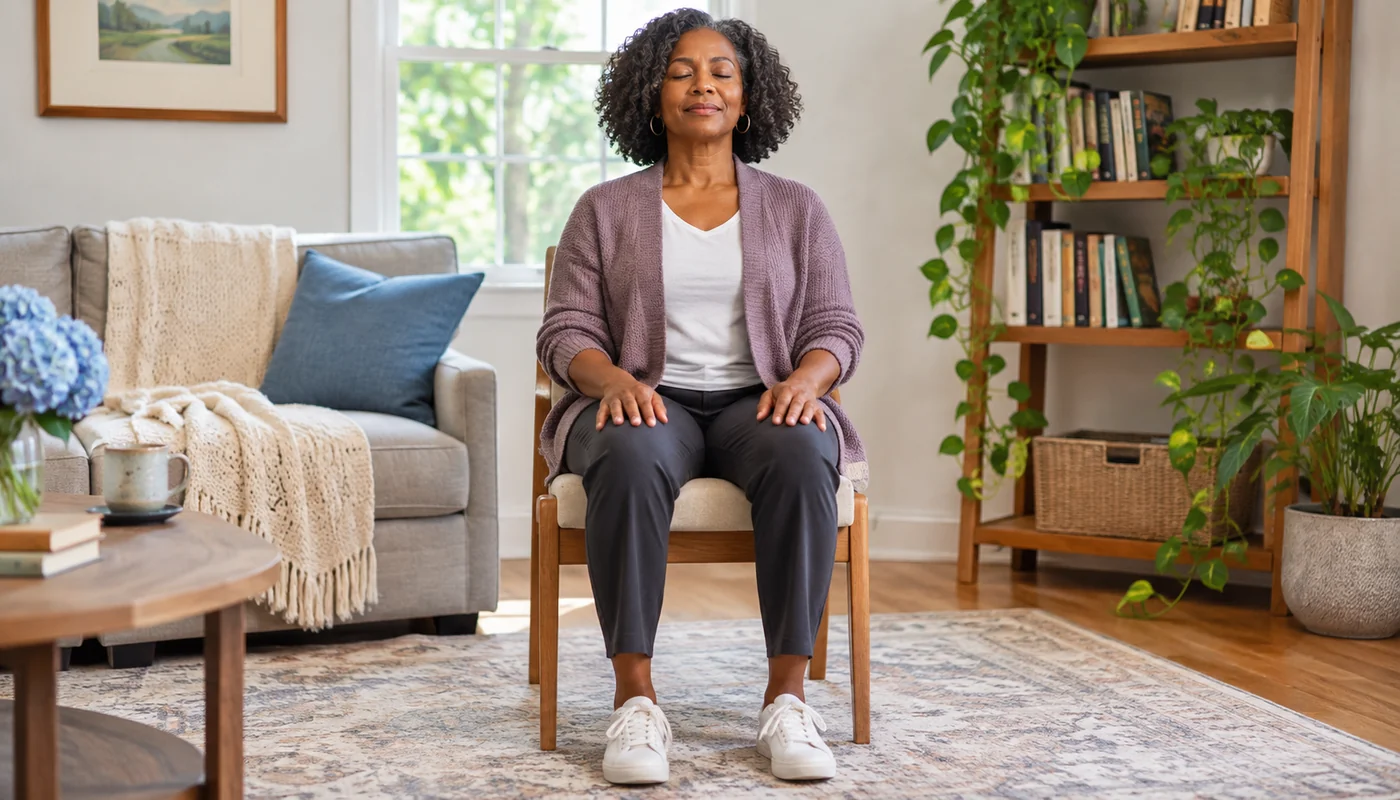
Choose a place where you won't be interrupted for a few minutes. It doesn't need to be special. A chair in your bedroom or a quiet corner works perfectly.
Step 2: Get Comfortable
Sit in a chair with your feet flat on the floor, on a cushion, or even lie down if sitting is uncomfortable. Keep your back reasonably upright but relaxed. Rest your hands in your lap.
Step 3: Set a Timer
Start small, with just three to five minutes. A timer lets you relax without checking the clock.
Step 4: Close Your Eyes or Lower Your Gaze
Closing your eyes reduces distractions, but you can also keep them softly focused on a spot on the floor.
Step 5: Focus on Your Breath
Notice the natural rhythm of your breathing. Feel the air entering and leaving your nose, or your chest and belly rising and falling. You don't need to control your breath, just observe it.
Step 6: Notice When Your Mind Wanders
Within seconds, your mind will likely drift to thoughts, plans, or memories. That's normal. When you notice it, gently acknowledge the thought ("thinking") and return your attention to your breath. No judgment, no frustration.
Step 7: End Gently
When the timer sounds, take a moment to notice how you feel. Open your eyes slowly and return to your day.
Types of Meditation to Try
- Mindfulness meditation: Paying attention to the present moment, often through the breath.
- Body scan: Slowly moving attention through each part of the body, noticing sensations.
- Loving-kindness meditation: Silently repeating phrases of goodwill toward yourself and others.
- Mantra meditation: Repeating a word or phrase to focus the mind.
- Walking meditation: Paying close attention to each step and the sensations of walking.
- Guided meditation: Following along with a recorded voice that leads you through the practice.
Guided meditations are a great starting point for beginners because they provide structure and instruction.
Tips for Building a Meditation Habit
Start Small
Five minutes a day is better than an hour once a month. You can gradually increase as it becomes comfortable.
Be Consistent
Meditate at the same time each day, such as after waking up or before bed. Linking it to an existing habit, like your morning coffee, helps.
Be Kind to Yourself
Some days your mind will be calm; other days it will feel like a whirlwind. Both are part of the practice. There's no such thing as a "bad" meditation.
Use Tools if Helpful
Meditation apps, online videos, and classes can provide guidance and motivation.
Notice the Small Changes
Benefits often show up subtly: a bit more patience in traffic, falling asleep more easily, or noticing stress sooner.
Common Beginner Challenges
"I Can't Stop Thinking"
You're not supposed to. Noticing your thoughts and returning to your breath is the meditation.
"I Don't Have Time"
Even one to three minutes counts. Try a few mindful breaths while waiting for your coffee or before a meeting.
"I Feel Restless"
Try walking meditation or shorter sessions. Restlessness often decreases with practice.
"I Fall Asleep"
Try meditating sitting up, at a time of day when you're more alert, or with eyes slightly open.
Meditation and Brain Training
Meditation and brain training complement each other beautifully. Meditation trains your ability to notice and redirect attention, while brain games challenge memory, speed, and focus in active ways. Together, they offer a well-rounded workout for a calmer, sharper mind.
Frequently Asked Questions
How long should beginners meditate?
Start with three to five minutes a day. Gradually build to 10 to 20 minutes as it feels natural.
What is the best time of day to meditate?
Morning meditation can set a calm tone for the day, while evening practice can help you unwind. The best time is the one you'll stick with.
Do I need an app to meditate?
No, but apps and guided recordings can be helpful for beginners who want structure.
How soon will I notice benefits?
Many people feel calmer after their very first session. Benefits like reduced stress and improved focus often become noticeable within a few weeks of regular practice.
Can I meditate lying down?
Yes, especially if sitting is uncomfortable. Just be aware that lying down makes it easier to fall asleep, so it works best at bedtime or when you're fairly alert.
Is meditation religious?
Meditation has roots in many spiritual traditions, but most modern mindfulness practices are completely secular. You can practice simply as a way to train attention and reduce stress.
What should I do if meditation makes me anxious?
Occasionally, sitting quietly brings uncomfortable feelings to the surface. Try shorter sessions, keep your eyes open, use walking meditation, or follow a guided recording. If distress continues, talk to a mental health professional.
Key Takeaways
- Meditation is training attention, not emptying the mind.
- Start with a few minutes of focusing on your breath.
- When your mind wanders, gently return; that's the practice.
- Consistency and kindness toward yourself matter more than duration.
- Meditation is linked to less stress, better focus, and improved well-being.
Your meditation journey can start with just one breath. Find a quiet moment today, sit comfortably, and give it a try. Your mind will thank you.
This article provides general educational information and is not medical advice. A qualified healthcare professional can help you evaluate choices in relation to your health history, medications, and individual needs.