
Highlights
- Your overall eating pattern matters more than any single food.
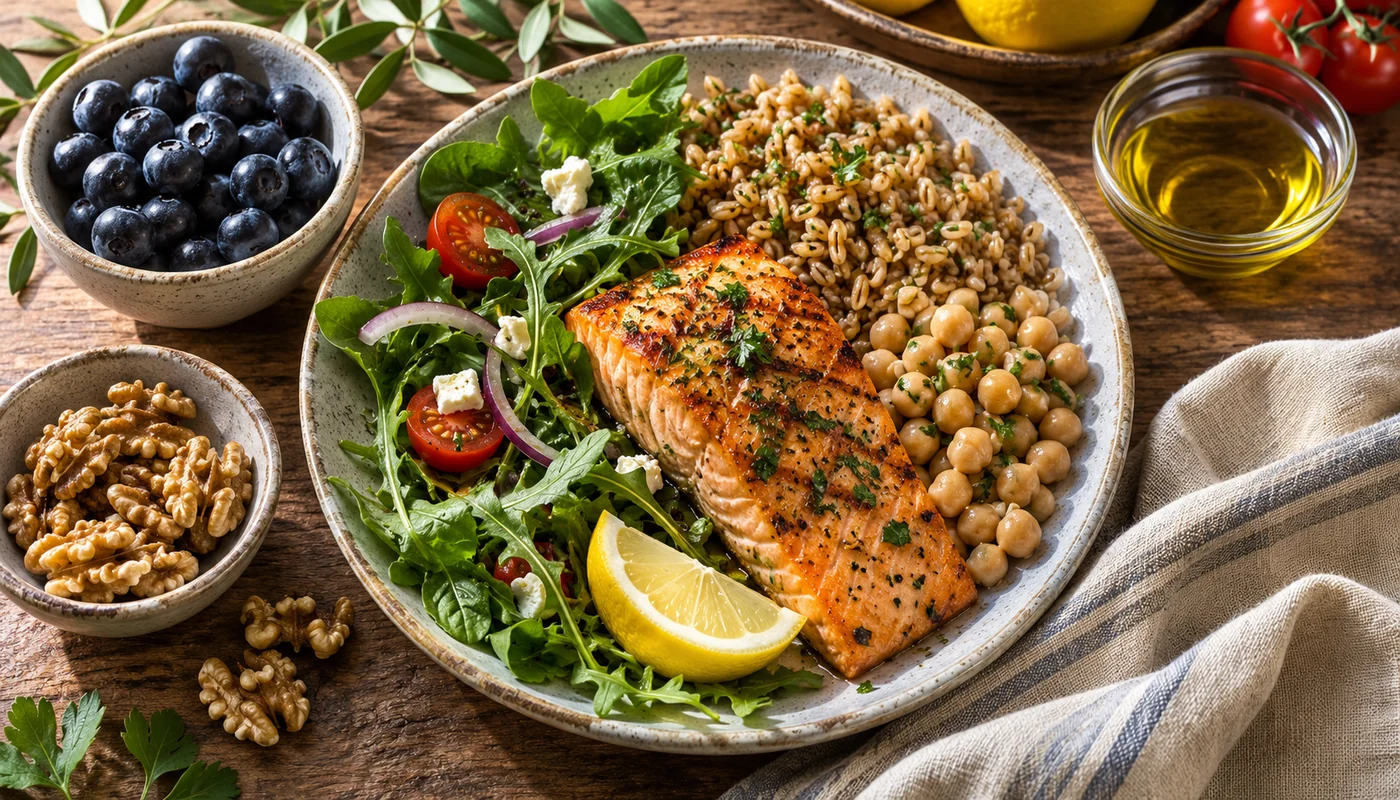
- Leafy greens, berries, fatty fish, nuts, olive oil, eggs, beans, and whole grains are among the best foods for memory.
- Coffee, tea, and dark chocolate can be part of a brain-friendly diet in moderation.
- Steady energy and hydration help you feel focused day to day.
Every thought you have, every name you recall, and every new skill you learn is powered by the food on your plate. Your brain is a hungry organ. It makes up about 2 percent of your body weight but uses roughly 20 percent of your energy. So it's no surprise that people want to know which foods improve memory.
The exciting part is that research increasingly supports the idea that what you eat can help your memory over the long term. This guide focuses on the practical side: which foods help improve memory, why they work, and easy ways to fit them into everyday meals.
The Big Picture: Patterns Matter Most
Before we get to individual foods, here's the most important finding: your overall eating pattern matters more than any single "superfood." Foods work together, and a healthy pattern naturally crowds out less helpful choices.
The two eating patterns most strongly linked with memory and brain health are the Mediterranean diet and the MIND diet. Both emphasize plants, healthy fats, and fish while limiting processed foods and sugar. If you're wondering what foods to eat to improve memory, these patterns are the best place to start.
The Top Foods for a Sharper Memory
1. Leafy Greens
Spinach, kale, collards, Swiss chard, and romaine lettuce are packed with folate, vitamin K, lutein, and beta-carotene. In research from Rush University, older adults who ate about one serving of leafy greens a day showed slower memory decline than those who rarely ate them.
Try this: Stir a handful of spinach into scrambled eggs, soups, or pasta sauce, or start dinner with a side salad.
2. Berries
Blueberries, strawberries, and blackberries get their deep colors from flavonoids called anthocyanins. These compounds appear to support communication between brain cells. In the long-running Nurses' Health Study, women who ate more berries showed slower memory decline.
Try this: Add berries to oatmeal, yogurt, or cereal. Frozen berries are affordable, last for months, and are just as nutritious as fresh.
3. Fatty Fish
Salmon, sardines, trout, mackerel, and herring are rich in omega-3 fatty acids, especially DHA, a major building block of brain cell membranes. People who eat fish regularly tend to have a lower risk of cognitive decline.
Try this: Aim for fish once or twice a week. Canned salmon and sardines make quick, budget-friendly lunches on whole-grain toast or salad.
4. Nuts and Seeds
Walnuts, almonds, pecans, and seeds like flax and chia provide healthy fats, protein, and vitamin E, an antioxidant that helps protect brain cells. Walnuts are especially notable for their plant-based omega-3s.
Try this: Keep a small handful as an afternoon snack or sprinkle chopped nuts on salads and cereal.
5. Extra-Virgin Olive Oil
A staple of Mediterranean eating, extra-virgin olive oil contains polyphenols with antioxidant and anti-inflammatory properties. It's linked with better brain and heart health.
Try this: Use olive oil instead of butter for cooking, and drizzle it over vegetables, beans, and whole grains.
6. Eggs
Eggs are one of the best sources of choline, a nutrient your body uses to make acetylcholine, a brain chemical involved in memory and learning. They also provide B vitamins and lutein.
Try this: Hard-boil a batch for quick breakfasts and snacks during the week.
7. Beans and Lentils
Beans, lentils, and chickpeas offer fiber, protein, folate, and slow-release carbohydrates that keep energy steady. Your brain prefers a steady supply of fuel rather than sugar spikes and crashes.
Try this: Add beans to soups, salads, and tacos, or try hummus as a dip.
8. Whole Grains
Oats, brown rice, quinoa, barley, and whole-wheat bread deliver steady energy and B vitamins. They also support healthy blood sugar and blood vessels, both important for long-term memory.
Try this: Swap white rice and bread for whole-grain versions, one meal at a time.
9. Coffee and Tea
Your morning cup may help more than your alertness. Moderate coffee and tea drinking is linked in many studies with better cognitive health. Green tea also contains L-theanine, which may promote calm, focused attention.
Try this: Enjoy one to three cups a day, and avoid caffeine late in the afternoon so it doesn't disrupt your sleep, which is essential for memory.
10. Dark Chocolate
Cocoa contains flavanols that may support blood flow to the brain. A square or two of dark chocolate (70 percent cocoa or higher) can be a brain-friendly treat.
Try this: Pair a small piece of dark chocolate with berries for dessert.
Foods That Improve Memory and Focus Day to Day
While the foods above support long-term brain health, some choices can also help you feel sharper today:
- Balanced breakfast. Protein, fiber, and healthy fat, such as eggs with whole-grain toast or oatmeal with nuts, provide steady morning energy.
- Water. Even mild dehydration can affect focus and short-term memory. Keep a water bottle nearby.
- Lighter lunches. Large, heavy meals can make you sluggish in the afternoon.
- Smart snacks. Nuts, fruit, yogurt, or vegetables with hummus keep blood sugar stable better than candy or chips.
Foods to Enjoy Less Often
What you eat less of matters too. Diets high in ultra-processed foods, added sugar, fried foods, and excess salt are linked with poorer brain health over time. You don't need to give them up completely. Just make them the exception rather than the rule.
A Simple Memory-Boosting Grocery List
- Spinach, kale, or mixed salad greens
- Fresh or frozen berries
- Salmon, canned sardines, or trout
- Walnuts and almonds
- Extra-virgin olive oil
- Eggs
- Canned beans and dried lentils
- Oats and brown rice
- Green tea or coffee
- Dark chocolate
Food Works Best With Other Brain Habits
Eating well gives your brain the raw materials it needs. To get the most out of it, pair a healthy diet with other memory-supporting habits: regular exercise, seven to nine hours of sleep, social connection, and keeping your mind challenged with new skills, puzzles, and brain training. These habits reinforce each other, so a healthy body and an active mind make a powerful team.
Frequently Asked Questions
What is the number one food for memory?
There isn't a single winner, but leafy greens and berries are often singled out because of strong research linking them with slower memory decline. The best results come from eating a variety of brain-healthy foods rather than relying on one.
How quickly can diet improve memory?
Some effects, like steadier energy and better focus from balanced meals and hydration, can be felt within days. The long-term benefits for memory and brain aging build over months and years of consistent eating habits.
Are eggs good for your memory?
Eggs are a great source of choline, which the body uses to make acetylcholine, a chemical messenger important for memory. They also provide protein and B vitamins, making them a convenient, brain-friendly food for most people.
Key Takeaways
- Your overall eating pattern matters more than any single food.
- Leafy greens, berries, fatty fish, nuts, olive oil, eggs, beans, and whole grains are among the best foods for memory.
- Coffee, tea, and dark chocolate can be part of a brain-friendly diet in moderation.
- Steady energy and hydration help you feel focused day to day.
- Combining good food with exercise, sleep, and mental challenges gives your memory the best support.
Every meal is a chance to feed your brain. Start with one small change this week, like adding berries to breakfast or fish to dinner, and build from there. Your future memory will thank you.
This article provides general educational information and is not medical advice. A qualified healthcare professional can help you evaluate choices in relation to your health history, medications, and individual needs.